At RGZ, we believe the best ideas come when you step away from the screen, and few places make that easier than Feria de Abril Seville. Every spring, roughly two weeks after Semana Santa (Holy Week), the Real de la Feria fairground on the outskirts of Seville springs to life. Think: a small city made entirely of canvas tents, string lights, live music, and more flamenco dresses per square meter than anywhere else on the planet. It is, in a word, glorious.
How It All Starts: The Alumbrao
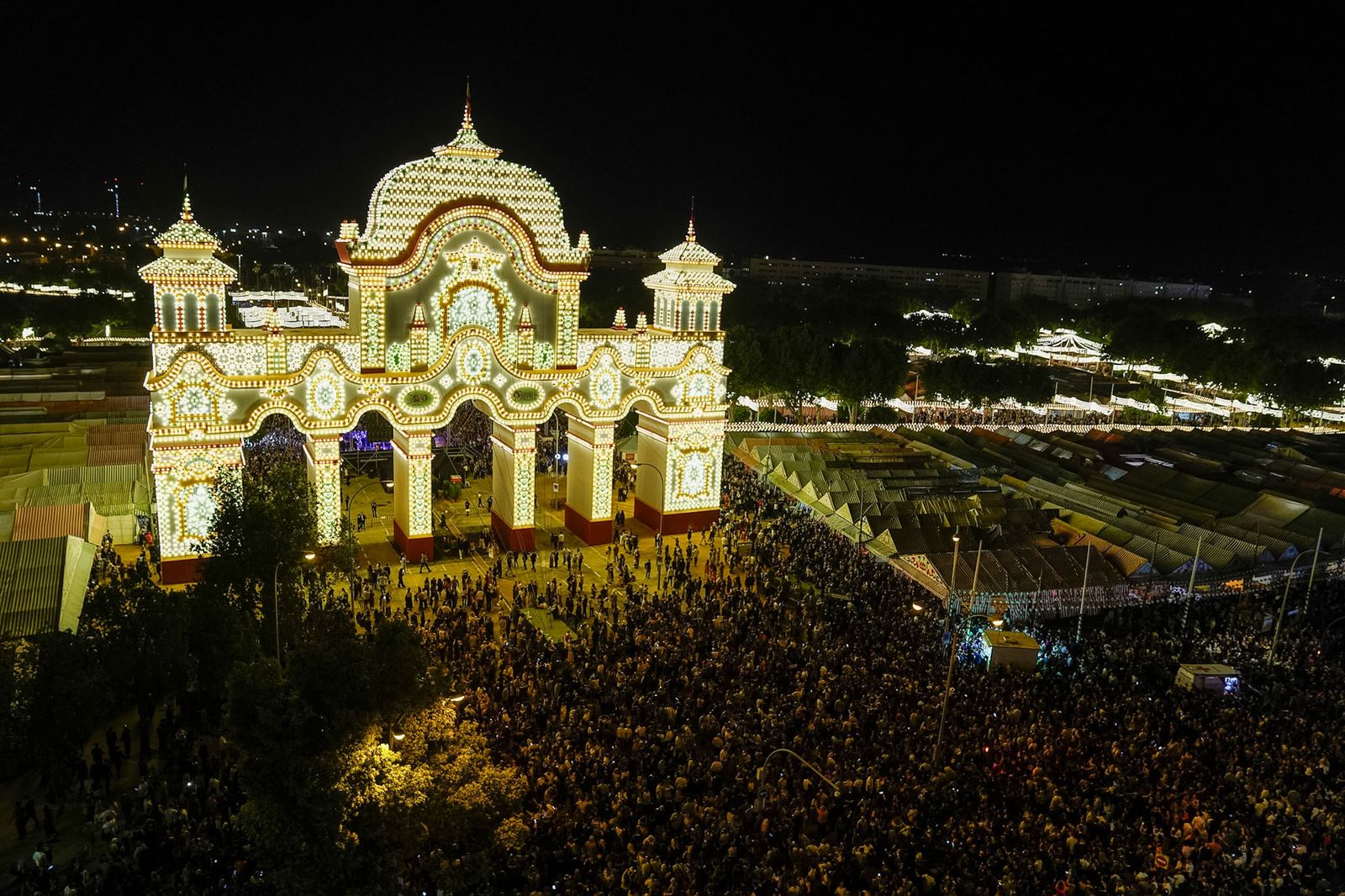
The Feria de Abril Seville doesn’t just begin; it is lit. Literally, on the opening Monday night, the city’s mayor flips a switch and tens of thousands of lightbulbs illuminate the fairground in what locals call the Alumbrao (the lighting). The crowd roars. The rebujitos start flowing. And just like that, Monday evening stops being a time for answering emails.
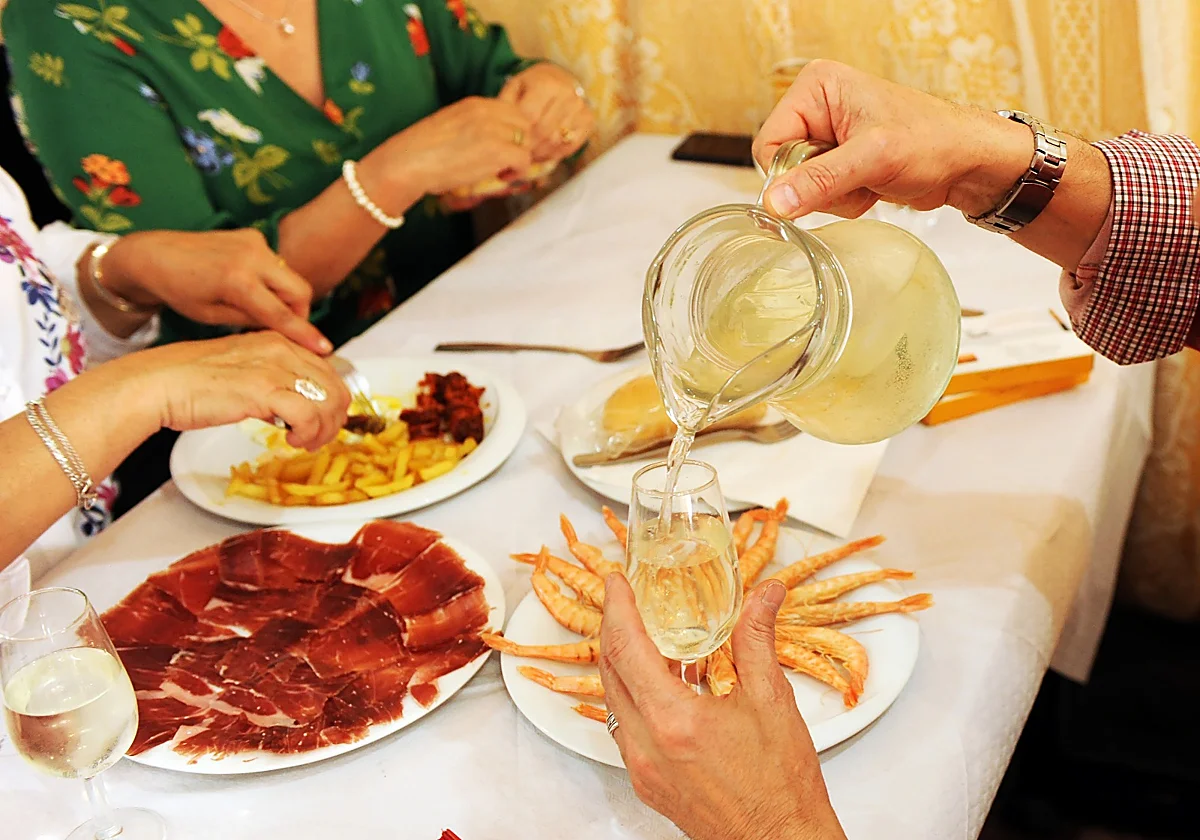
Rebujito, you ask? It’s the unofficial drink of the Feria de Abril Seville, a mix of manzanilla sherry and Sprite or 7UP, served over ice in a tall glass. Refreshing, dangerously easy to drink, and consumed in quantities that would make your doctor reach for their notepad.
The Casetas: Where the Real Party Is
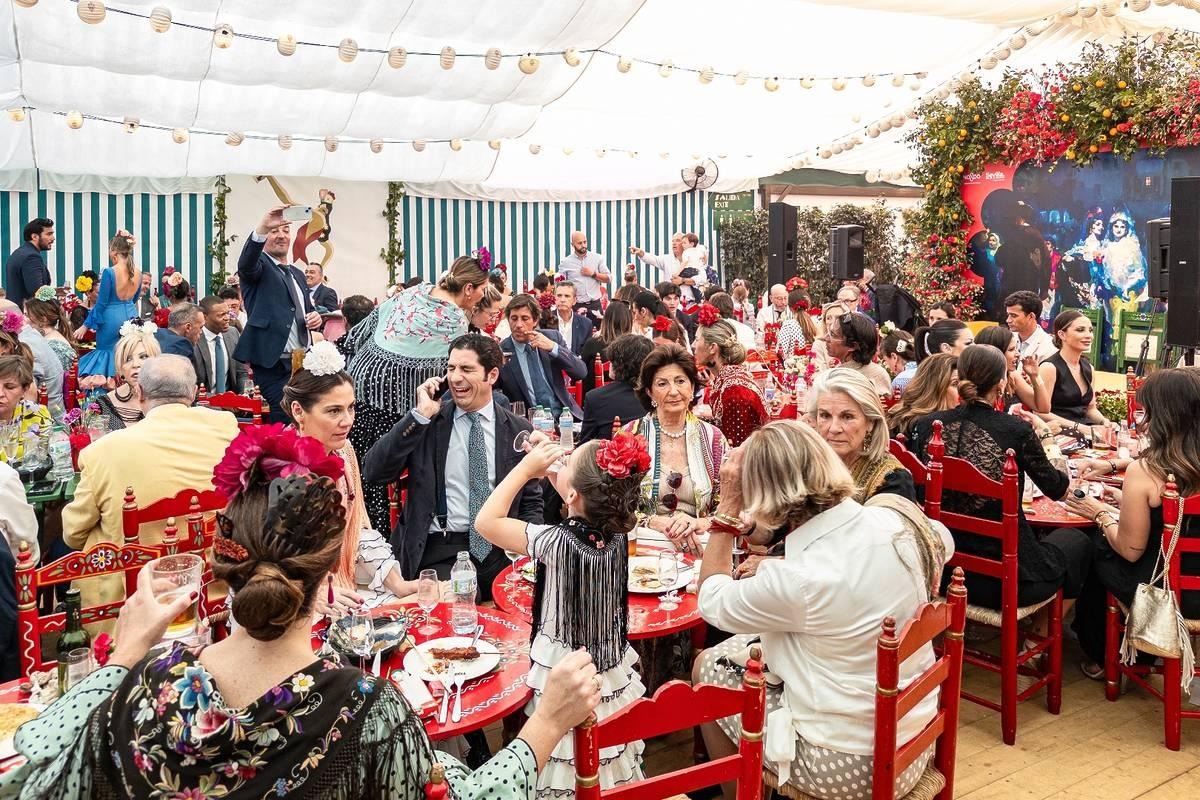
The fairground is lined with hundreds of large, decorated casetas, tents owned by families, peñas (social clubs), political parties, and companies. Most are private. If you don’t know someone inside, you’re not getting in. This isn’t rudeness; it’s just how Seville rolls. The trick? Make friends in Seville before April or find one of the city-operated public casetas.
Inside each caseta, the formula is simple and perfect: Sevillanas music, dancing, food, and drink, repeated from noon until the sun comes up, the dresses swirl. The heels click. The castanets snap. If you have ever felt completely underdressed at an event, wait until you show up to the Feria in jeans.
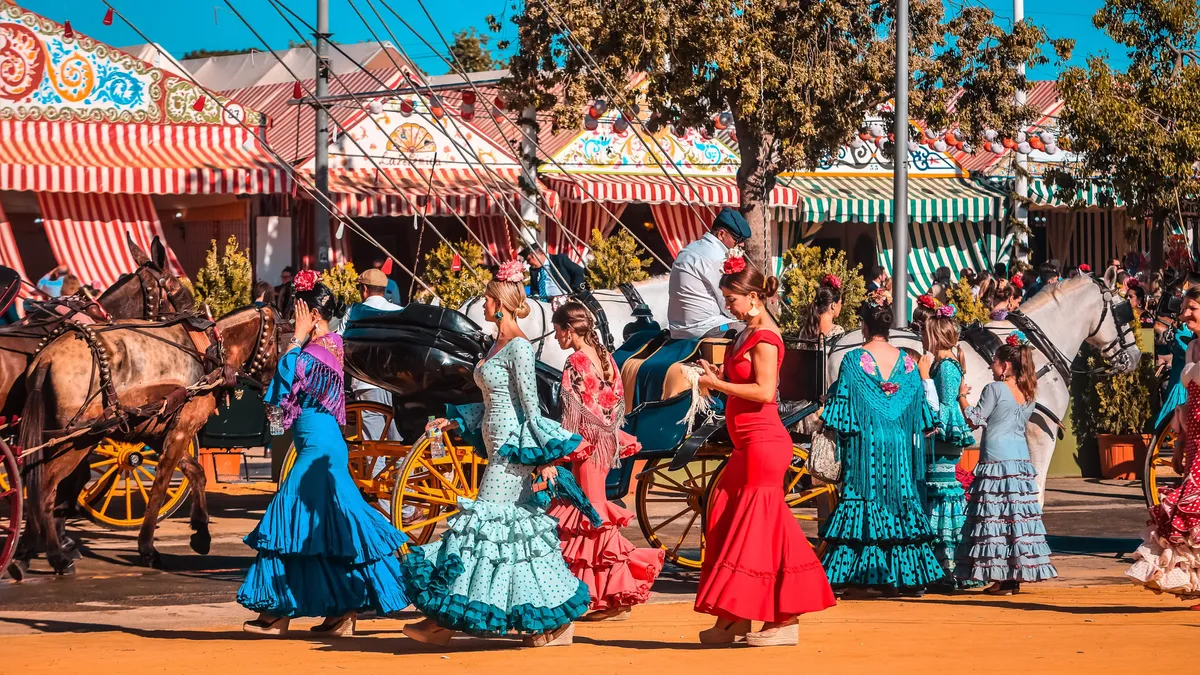
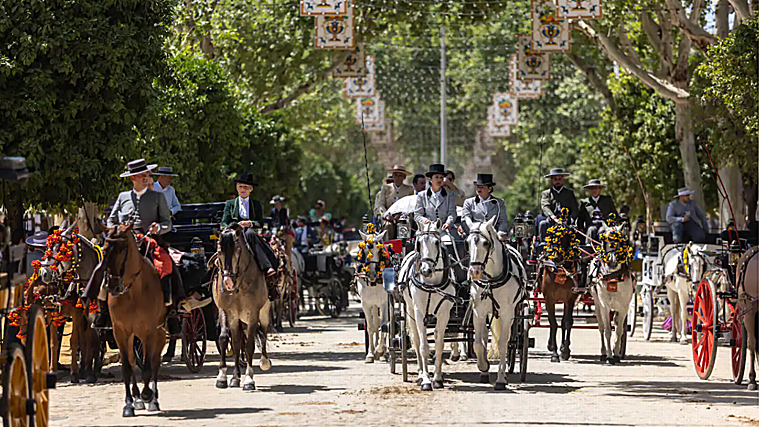
When it comes to the dress code, women wear the iconic traje de flamenca, a ruffled, polka-dotted, or floral dress with a matching shawl, flowers in the hair, and hoop earrings. Men go for the traditional traje corto: high-waisted trousers, a short jacket, and a wide-brimmed hat, often on horseback. Yes, on horseback. Seville does not half-measure anything.
And if you’re bringing kids, the Feria has you covered, too. Tucked inside the fairground is a full amusement park, think classic fairground rides, games, and enough churros and candy floss to send any child into a state of pure joy. While the adults are working their way through another round of rebujito in the casetas, the little ones have their own world to get lost in. It’s one of the things that makes the Feria de Abril Seville so unique; it genuinely has something for everyone, from the grandparents in the carriage to the kids screaming on the rollercoaster. Nobody gets left behind, and nobody goes home early.

El Paseo: The Procession of Everything Beautiful
By day, the Feria shifts its energy. The Paseo de Caballos, a parade of horses, riders, and ornate carriages, takes over the main streets of the fairground. Riders in full traditional dress trot through the crowds, showing off their horses with the kind of quiet pride that makes you feel you’ve stumbled into a different century. Children ride pillion. Couples sit side-saddle in open carriages. The whole thing is almost absurdly cinematic.
Eat Like a Sevillano
You will not go hungry. Each caseta serves a rotating menu of Andalusian classics: espinacas con garbanzos (spinach with chickpeas), carrillada (braised cheeks), jamón carved tableside, and mountains of fried fish. The Sevillanas eat properly in the middle of their parties, a cultural habit that the rest of the world would do well to adopt.
The Feria wraps up on the following Sunday with a fireworks display so spectacular that it’s technically classified as its own event. The city then takes a collective breath, has a quiet Monday, and starts planning for next year.
Why It Matters (Beyond the Fun)
The Feria de Abril started in 1847 as a livestock fair, a practical, commercial event for trading cattle and horses. Within a few decades, the party had completely overtaken the commerce, which feels like a very honest reflection of Sevillano’s priorities. Today, it draws over a million visitors each year and remains entirely, defiantly local in spirit. The city doesn’t perform the Feria for tourists; tourists are welcome to witness what Seville does for itself.
In a world of increasingly packaged experiences, there’s something genuinely moving about a city that still knows how to throw a party just because it’s spring, and because it’s always done it that way.
5 Facts You Didn’t Know About the Feria de Abril
- It originally lasted just two days. When the first Feria was held in 1847, it ran for a modest 48 hours. Now it spans a full week, proof that when Seville finds something it likes, it commits.
- The fairground moved and actually burned down. The original location was on the Prado de San Sebastián in the city center. In 1973, it relocated to Los Remedios, then again in 1992 to its current spot. Oh, and in 1896, a fire destroyed most of the casetas overnight. They rebuilt in time for the next day, very Seville.
- The number of lightbulbs is over 700,000. The famous Portada (entrance gate) and the fairground streets are strung with more than 700,000 individual bulbs. The electricity bill for one week of Feria is reportedly in the hundreds of thousands of euros. Worth it.
- Sevillanas is not flamenco. This one surprises people. The dance you’ll see everywhere at the Feria, performed in four structured parts, danced in pairs, is Sevillanas, a folk form distinct from flamenco. Flamenco is for the serious tablaos. Sevillanas is what everyone, including grandmothers and five-year-olds, does at a party.
- The date shifts every single year. Unlike most fixed festivals, the Feria de Abril floats with the Catholic calendar; it always begins two weeks after Easter Sunday. This means it can fall anywhere between late April and mid-May. You have to check the date every year, which arguably keeps the anticipation fresher.