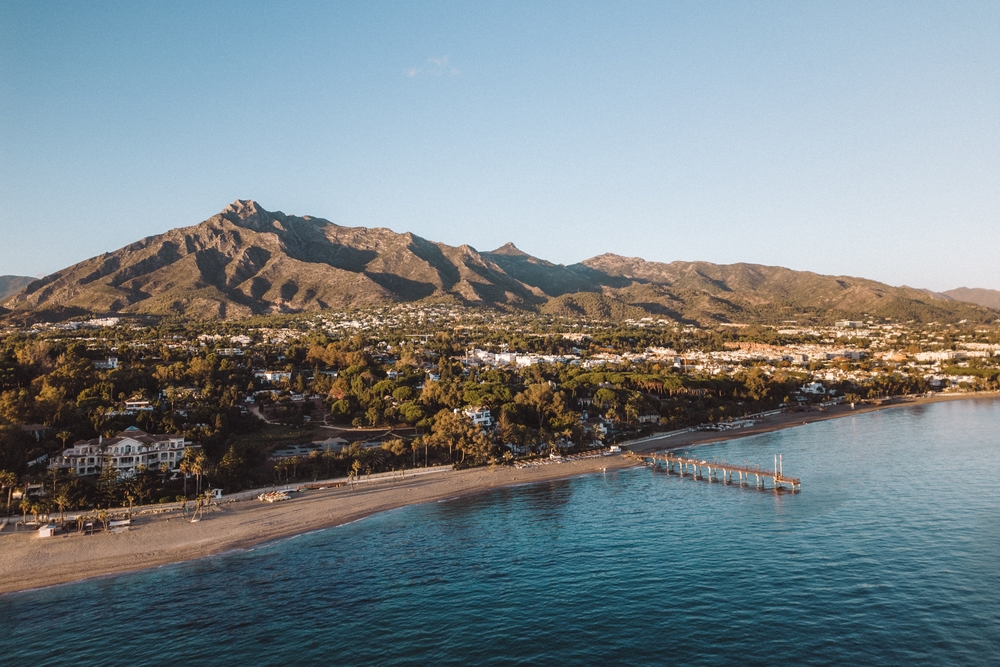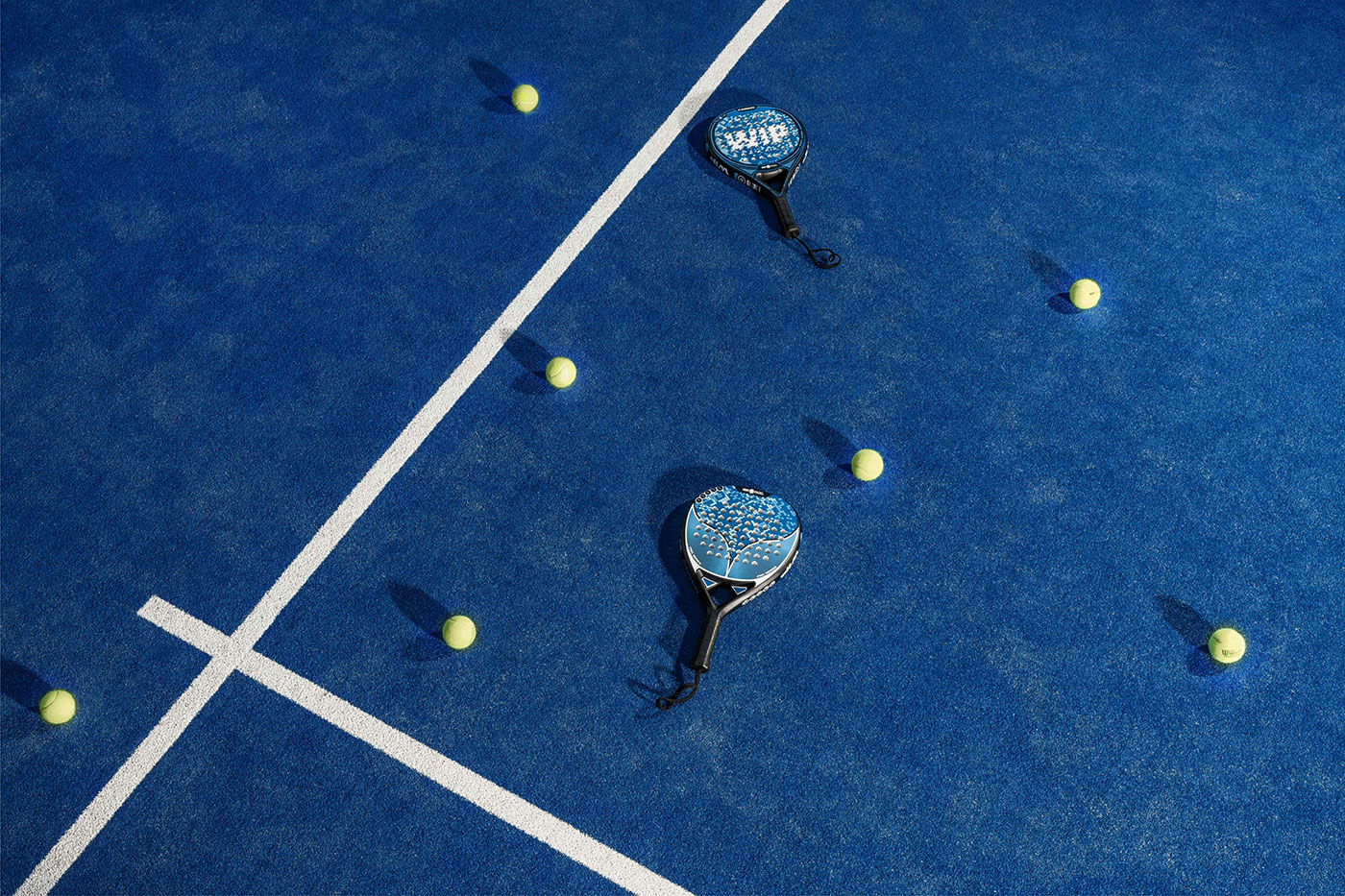
If you have spent any time in Marbella in the last few years, you have probably noticed it. The soft thud of a ball against glass, four players on a small enclosed court, the after-work crowd pouring out of a clubhouse in athletic gear. Padel is everywhere here, and Marbella is not just along for the ride. In many ways, this is where it all began.
The first padel courts in Europe were built right here, at the Marbella Club, by Alfonso de Hohenlohe in the mid-1970s. Fifty years later, the sport has exploded across Spain and the world, and the Costa del Sol remains its spiritual home. This guide covers where to play, how the clubs differ, and a few practical things to know before you book your first court.
Whether you are a curious beginner, a tennis player looking for a new challenge, or a regular who needs a new club, there is somewhere on this list that will suit you. The good news is that almost every option is within a short drive of the Golden Mile.
Why padel took over Marbella
Padel is easier to learn than tennis, more social by design, and forgiving on the body. It is always played in doubles, on an enclosed court roughly a third the size of a tennis court, with walls that keep the ball in play. You can pick up the basics in a couple of sessions and start enjoying real rallies almost immediately, which is part of why the sport has spread so quickly. In Marbella, where the climate allows outdoor sport year-round and the social calendar runs on group activities, it was always going to land well. Today, padel courts are a standard amenity in new residential developments, hotels and private clubs across the city.
The Marbella Club, where it all started
The Marbella Club Hotel is not strictly a public padel venue, but it deserves a mention because this is where European padel was born. Alfonso de Hohenlohe brought the sport back from Mexico after seeing it played at a friend’s house, and built the first courts on the hotel grounds in 1974. From there, the game spread through the Spanish aristocracy and then to clubs along the coast. Hotel guests can still play here, and for anyone interested in the history of the sport, it is worth at least a coffee on the terrace.
Type: hotel courts, guests only. Best for: a piece of padel history and a beautiful setting on the Golden Mile.
Location: Marbella Club Hotel, Golden Mile – open on map
Real Club Padel Marbella
Real Club Padel Marbella is one of the most ambitious sports venues to open on the Costa del Sol in recent years. The complex covers more than ten thousand square metres and combines six next-generation padel courts with a full gym, a HYROX training club, a spa, martial arts facilities and a padel academy for all levels. It is a serious, well-designed club aimed at members who want padel as part of a broader fitness routine. For visitors, day passes and court rentals are usually available, although peak evening slots fill up fast.
Type: full members club with day access. Best for: serious players who also want a complete gym and wellness offering.
Location: Real Club Padel Marbella – open on map
NAC Sports Marbella
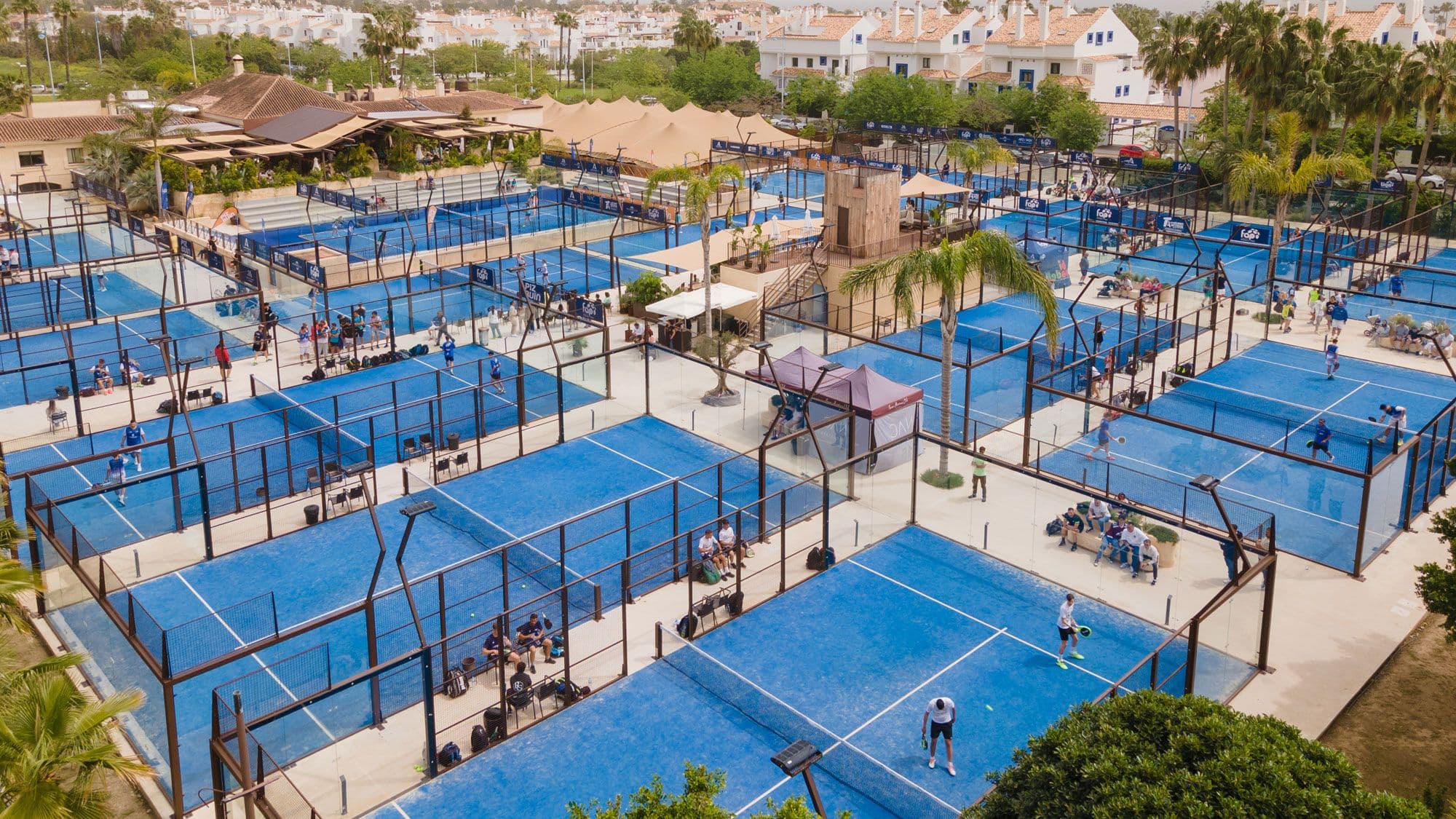
NAC is widely considered one of the best padel clubs not just in Marbella but in the world, and it has the awards to back it up. It has been recognised as Best Club in the World at the PadelSpain Awards for three consecutive years (2023, 2024 and 2025), and the standard of play here is high, with regulars including former professional tennis players and Spanish national-level padel competitors. The club runs a strong academy, hosts tournaments throughout the year and has an excellent restaurant that makes it easy to stay long after a match.
Type: high-end social club. Best for: ambitious players who want a strong competitive scene and top-level coaching.
Location: NAC Sports Marbella – open on map
Manolo Santana Racquets Club
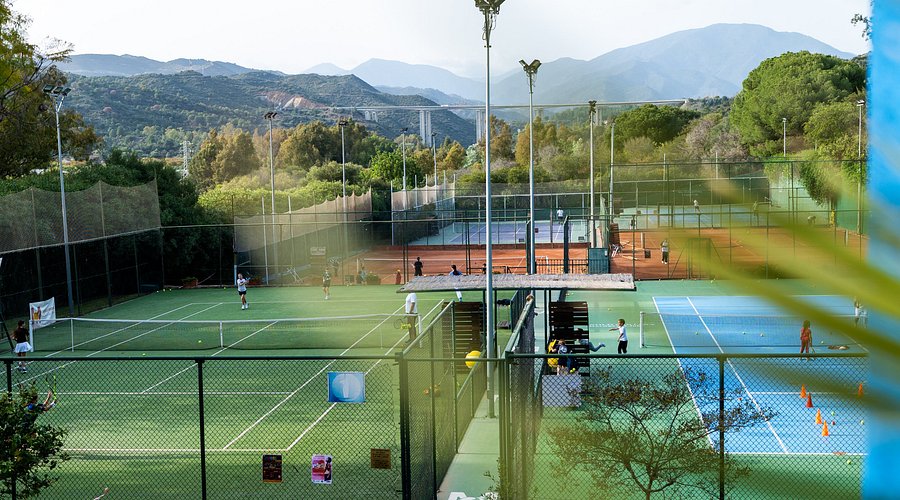
Founded by the legendary Spanish tennis champion Manolo Santana, this club has long been a meeting point for the racquet sport community in Marbella. Set in beautifully landscaped grounds near Puerto Banus, it offers both tennis and padel, and has the relaxed, traditional feel of a proper members club. It is a popular place for visitors to take lessons, with English-speaking coaches available and a steady stream of friendly social play. The clubhouse and terrace are particularly pleasant for a post-match drink.
Type: traditional racquet club, tennis and padel. Best for: a relaxed social game and English-language coaching.
Location: Manolo Santana Racquets Club, Nueva Andalucia – open on map
Puente Romano Tennis & Padel Club
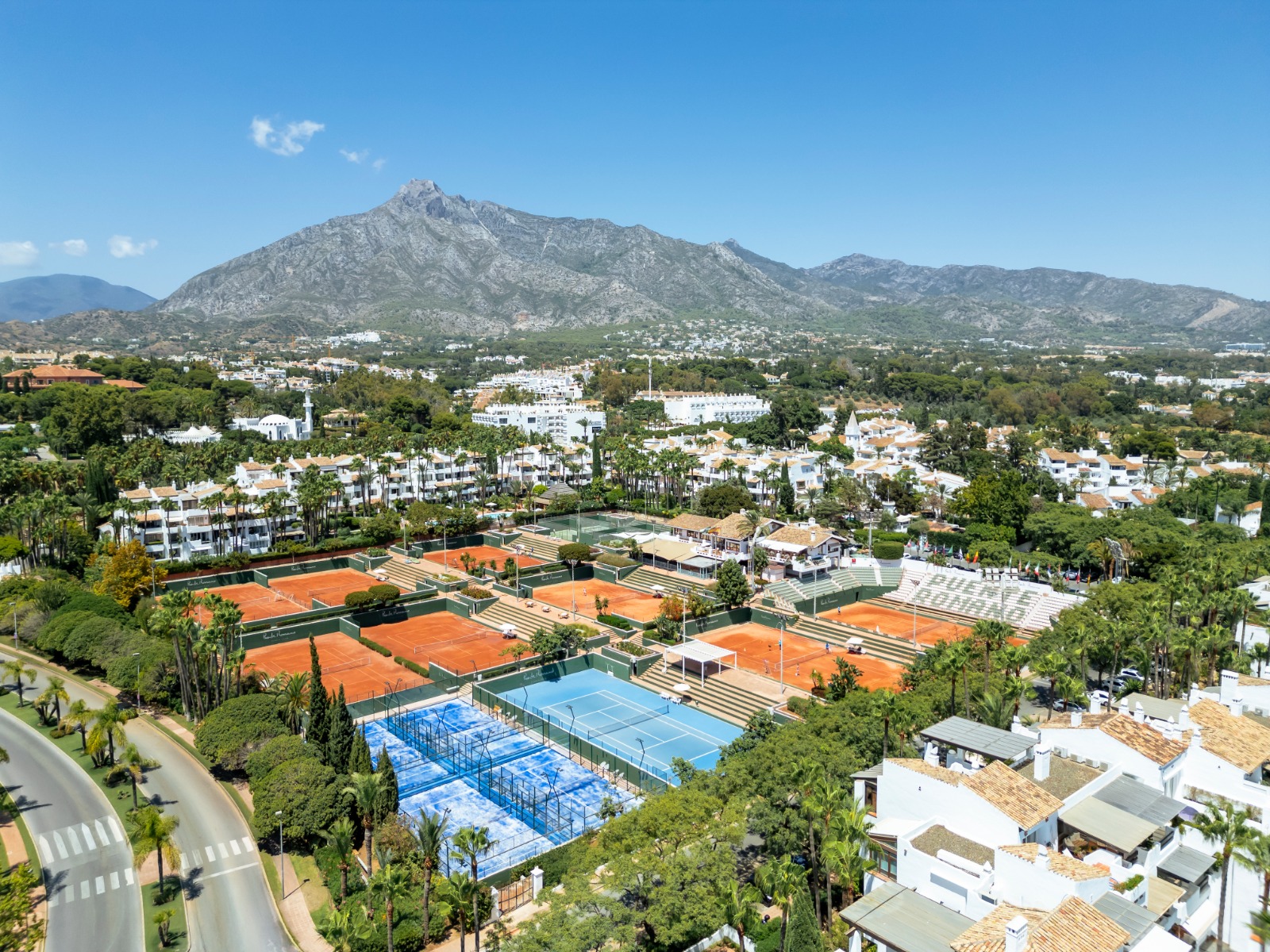 Puente Romano is one of the most prestigious racquet clubs on the Costa del Sol, set on the Golden Mile within the grounds of the Puente Romano Beach Resort. The club opened in 1979 under the management of Björn Borg and later passed to Manolo Santana, and over the decades its courts have hosted ATP and WTA tournaments alongside players including Boris Becker, Novak Djokovic and John McEnroe. The four padel courts sit alongside eight clay tennis courts and two hard courts, a fully equipped gym, sauna, Turkish bath and the Lagom Café with views over the iconic central show court.
Type: luxury resort club, hotel guests and members. Best for: a high-end game in an iconic setting on the Golden Mile.
Location: Puente Romano Tennis & Padel Club, Golden Mile – open on map
A few things worth knowing if you are new to the sport
- Equipment: You do not need to bring much. Most clubs rent rackets for a few euros and balls are usually included in the court fee. A pair of court shoes with a good sole helps, as the surface is sand-topped artificial turf.
- Court fees: A typical hour on an outdoor court costs between 20 and 34 euros for the whole court, split between four players. Indoor and covered courts are slightly more, and peak evening slots are the most expensive.
- Booking ahead: Padel is genuinely popular here, and 19:00 to 22:00 on weekdays books out two to three days in advance at most clubs. Mornings and early afternoons are easier to find on short notice.
- Lessons: Group classes are the fastest way to improve and to meet other players at your level. Almost every club above offers them in English, with prices starting around 25 euros per session.
- Climate: Outdoor padel is comfortable year-round, but summer afternoons can be too hot for full matches. Locals tend to play early morning or after 19:00 in July and August.
A sport that fits the Marbella lifestyle
What makes padel feel right for Marbella is not just the climate or the number of courts. It is the way the sport fits the rhythm of life here: a morning match before work, an evening doubles game with neighbours, a Sunday tournament that ends with lunch on a terrace. It is sociable, healthy and easy to build into a normal week, which is why so many residents end up playing two or three times a week without really planning to.
At RGZ Developers, we design homes in the parts of Marbella where this kind of life is most natural, from the Golden Mile to the heart of Nueva Andalucia, where many of the best clubs are a short walk or a five-minute drive from the front door.